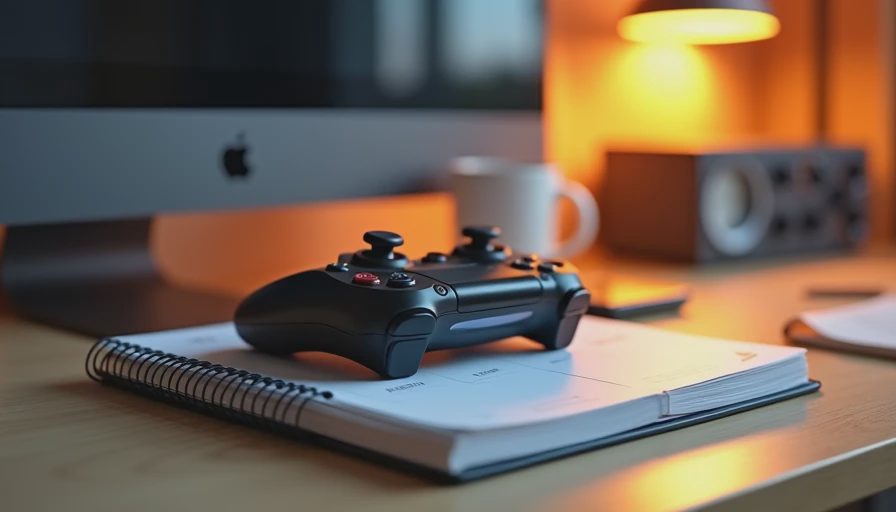
Time Is the Part We Under-Price
Money gets most of the attention when people argue about whether a game is worth buying. I understand why. The price is right there on the store page. Time is quieter. It only shows its cost after you have already paid and started playing.
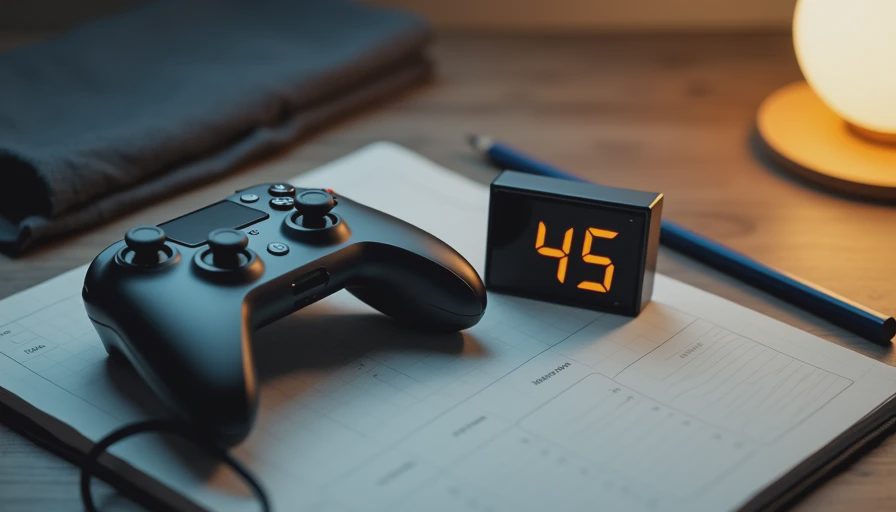
I have a full-time job, two kids, and a house that generates new tasks every time I look away. My average play session is forty-five minutes to an hour. Longer stretches happen, but they are not reliable. Any game that assumes I can disappear for three-hour blocks is already asking for something my life does not consistently provide.
A good game should earn your weekend. Part of earning it is proving it can live inside the actual shape of that weekend, not the fantasy version.
The Session-Length Test
Before I buy, I look for evidence that the game is built for real sessions rather than ideal ones.
Can a meaningful piece of progress happen in under an hour? Does the game give me natural stopping points, or does it punish me for logging off mid-activity? Are save systems generous, or do they force me to finish large chunks before I can walk away?
These details rarely appear in trailers. They show up in honest first-hour impressions, in Steam discussions, and in the way reviewers describe their own play patterns. When someone says “I could only play in short bursts and it still felt good,” that is high-value information for me. When the consensus is “you really need long sessions to enjoy it,” I treat that as a warning label.
Returnability Matters More Than We Admit
Life interrupts. A kid gets sick. Work runs late. A weekend suddenly fills up. If I have to leave a game for five or seven days, I want to come back without feeling lost.
I pay attention to how a game handles downtime. Does it have a clear journal, quest log, or objective tracker that reminds me where I was? Do the controls and systems stay intuitive after a break, or do I need a full re-learning session every time? Is the story presented in a way that lets me re-orient quickly?
Games that respect returnability tend to feel lighter in the mind. Games that do not start to feel like obligations. Obligation is expensive when your free hours are already scarce.
Friction Is a Time Tax
Some games create unnecessary work. Long unskippable sequences. Menus that take too many inputs. Inventories that require constant management. Travel that eats minutes without adding anything. None of these things are dramatic on their own. Together they turn a forty-five-minute session into thirty minutes of actual play and fifteen minutes of administration.
I have learned to watch for that pattern early. If the first couple of hours already feel busy with systems instead of play, the problem usually gets worse, not better. Clean design is not just an aesthetic preference. For a busy player it is a practical advantage.
Signals I Look For Before Buying
I keep a short mental list when I am evaluating a new release:
Does the game offer meaningful progress in short sessions?
Are there frequent, low-stress places to stop?
Can I leave for a week and return without friction?
Do early players mention that the game works in real-life schedules?
Is the core activity satisfying on its own, or does it rely on long unbroken investment?
No single answer decides everything. Patterns do. When most of the signals are positive, I am more willing to buy, even at full price. When they are mixed or negative, I wait for a sale or skip the game entirely.
What Respect Actually Looks Like
Respect is not the same as being easy. A challenging game can still respect time if it is clear, fair, and built for the way people actually play. A simple game can waste time if it is padded, repetitive, or poorly structured.
The games that work best for me share a few quiet traits. They let me feel progress quickly. They forgive interruption. They keep their systems understandable. They deliver something specific in the hours I can give them instead of promising that everything will click after a much larger investment.
I still play longer games. I still enjoy complex ones. I just no longer pretend that every design is equally compatible with a life that includes school nights, early alarms, and the ordinary maintenance of a household.
How This Category Will Work
Busy Player Fit posts will keep returning to these questions. I will look at new releases and older recommendations through the same practical lens: Does this game fit the schedule of someone who cannot play every night and cannot guarantee long sessions?
I will not claim that only short games are valid. I will not shame anyone who has more time than I do. I will simply describe the fit as honestly as I can so readers can decide for themselves.
If you have ever bought a game that looked perfect on paper and then watched it gather dust because it never matched your actual evenings, you already understand the problem. The goal here is to spot that mismatch earlier—before the money leaves the account and before another weekend gets spent on something that did not earn it.


No comments yet — grab the first one.