If you have a full-time job, a family, and maybe two uninterrupted hours on a good weekend, choosing among pc exclusive games takes more thought than scrolling through a storefront. A $60 purchase is not only a financial decision; it is a commitment to learn systems, clear storage space, and keep returning when life inevitably interrupts. The right game can make that commitment feel worthwhile. The wrong one becomes another icon in your library that you avoid opening.
What makes a PC exclusive worth buying?
The best pc exclusive games usually offer something beyond a higher frame rate or a mouse-and-keyboard control scheme. They take advantage of PC strengths such as flexible graphics settings, precise aiming, extensive mod support, or strategy systems that feel better with a mouse. Some also belong to genres that historically thrive on computers, including real-time strategy, grand strategy, management simulation, and competitive shooters.
That does not mean every PC-only release deserves an automatic recommendation. A game can be technically impressive and still demand more time than you have. A sprawling strategy title might require several evenings just to understand its economy. A live-service shooter can be free to start but expensive in attention, with battle passes and constant events encouraging you to play on its schedule rather than yours.
I keep a simple question in mind before buying: what am I actually hoping this gives me? If the answer is a focused campaign, look for a clear finish line. If the answer is a creative sandbox, understand that the entertainment comes from making your own goals. Fun is not the same thing as value, and a 100-hour game is not automatically a better purchase than a polished 12-hour one.
Standout categories for busy players
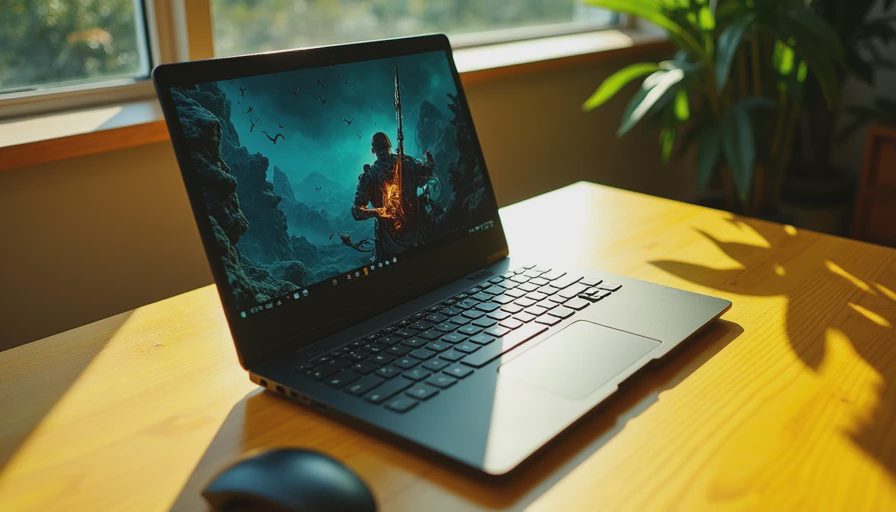
Among pc exclusive games, management and simulation titles can be excellent fits for adults who prefer short, self-contained sessions. A game such as Factorio can turn a 30-minute plan into a much longer evening, but it also lets you save almost anywhere and return to a clear objective. Cities: Skylines offers a similar appeal for players who enjoy gradual progress, although building a satisfying city requires patience rather than quick rewards.
Competitive games such as Counter-Strike 2 and Valorant provide rounds that fit into a lunch break or late evening. Their low entry price is attractive, but the real cost is practice. You can have a good match in 30 minutes, yet improving enough to compete consistently requires repetition. That is a reasonable trade if mastery motivates you. It is less appealing if you want a relaxed story after a long day.
Narrative-focused pc exclusive games are less common than PC versions of console releases, but independent developers fill the gap. Titles such as Disco Elysium began on PC and reward players who enjoy reading, dialogue choices, and unusual role-playing systems. These games often work well for busy schedules because progress can be measured by a conversation or quest rather than a long multiplayer session.
A practical way to judge the price
Launch pricing deserves a closer look. A $30 independent game can be a better buy than a $70 blockbuster if its design matches your available time. Before purchasing, check the expected campaign length, difficulty, save system, and whether the game requires a constant internet connection. Steam user reviews can reveal technical problems, while a few spoiler-light videos can show whether the moment-to-moment play actually appeals to you.
For pc exclusive games with strong replay value, a full-price purchase can make sense when the core loop is immediately enjoyable. A strategy game that you revisit for months can earn its cost faster than a short adventure that sits untouched after one weekend. On the other hand, replayability should not be confused with endless chores. Procedural maps, daily challenges, and unlock trees only add value if you enjoy doing them.
Waiting is a legitimate buying strategy, not a failure to be a real fan. Many PC releases receive discounts within a few months, and patches can improve performance or fix awkward launch issues. A $50 purchase at launch and a $25 purchase during a seasonal sale are not the same proposition. If you already have three unfinished games, waiting is probably the financially sensible choice.
Check your hardware before you commit
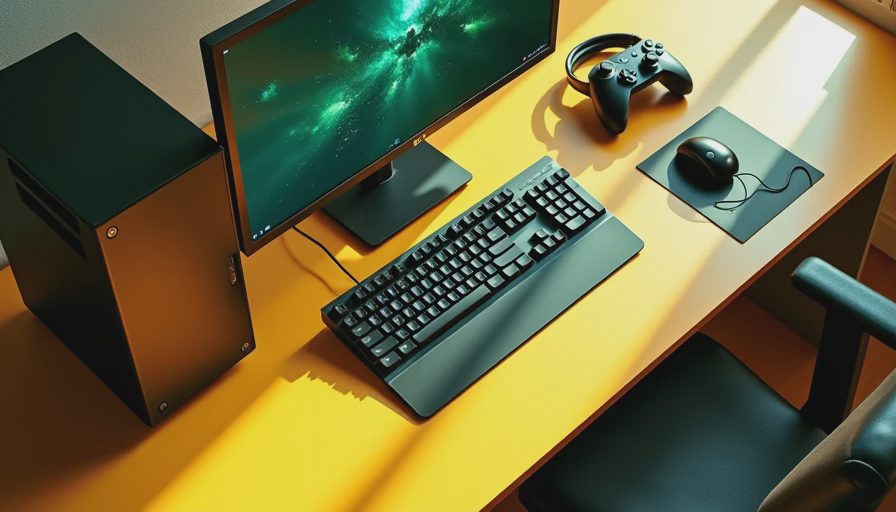
PC hardware is part of the purchase. Minimum requirements often describe what will launch the game, not what will provide a comfortable experience. Compare your processor, graphics card, memory, and available storage with the recommended requirements. If your computer uses integrated graphics, a demanding open-world release may require compromises that are more annoying than exciting.
Also consider installation size. A 120-gigabyte game can take a meaningful bite out of a smaller solid-state drive and may require an evening download. Settings menus matter too. Games with good upscaling options, adjustable texture quality, field-of-view controls, and subtitle settings are easier to tailor to an older system and a crowded household.
Mod support can extend the life of pc exclusive games, especially in simulation and role-playing communities. Mods can add quality-of-life improvements, new scenarios, accessibility options, or entirely different ways to play. They can also introduce crashes and compatibility headaches. Start with widely used tools and back up save files before changing a stable setup.
Which player should buy now?
Buy at launch when you already know the genre suits you, your hardware is ready, and you can realistically play during the first month. This is especially true for a multiplayer game where joining friends early matters. A shared evening with a regular group can justify the cost even when the game is not perfect.
Buy after a sale when the premise interests you but the schedule does not. Waiting lets reviews settle, gives developers time to patch problems, and often includes extra content. For single-player pc exclusive games, there is rarely a practical reason to rush unless avoiding spoilers matters to you.
Skip for now when the main appeal is hype, a long checklist, or fear of missing out. Not bad is not the same thing as worth buying. A game should fit the way you actually spend evenings, not the imaginary free time you hope to have next month.
My short buying checklist
Before paying, answer five questions: Can my PC run it comfortably? Does the session length match my schedule? Is the main gameplay loop enjoyable without grinding? Can I save and stop easily? Would I still want it at 20 percent off? Those answers reveal more than a dramatic trailer.
The strongest pc exclusive games earn attention by making their unique systems easy to appreciate, not by demanding unlimited hours. I would rather finish a focused strategy campaign or return happily to a flexible simulation than abandon another giant map halfway through. A good game should earn your weekend. If the price, hardware demands, and time commitment all line up, these releases can do exactly that.




No comments yet — grab the first one.