
The Backlog Is Not a Trophy Shelf
I used to treat my backlog like a collection. Every new game that looked interesting went into the library. I told myself I would get to it eventually. Eventually turned out to be a place that does not exist when you have a job that starts early, two kids who need attention, and evenings that disappear into homework, dishes, and the quiet maintenance of a household.
At some point the backlog stopped feeling like possibility and started feeling like mild guilt. That was useful. Guilt is information. It told me my buying habits and my actual life were no longer in the same conversation.
A good game should earn your weekend. Before it can do that, it has to earn a place in the small number of weekends I actually have.
The Real Constraints
My play time is not theoretical. It is whatever is left after work, after the kids are in bed, and after the ordinary tasks that do not care about my free time. Most nights that means forty-five to seventy-five minutes. Some weeks the total is under four hours. Longer sessions happen, but I cannot schedule my life around them.
That reality forces choices. I cannot play everything I own. I cannot even play everything I genuinely want to play. So I needed a way to decide what gets the limited hours and what stays on the shelf without turning every decision into a debate.
The Three Filters I Use
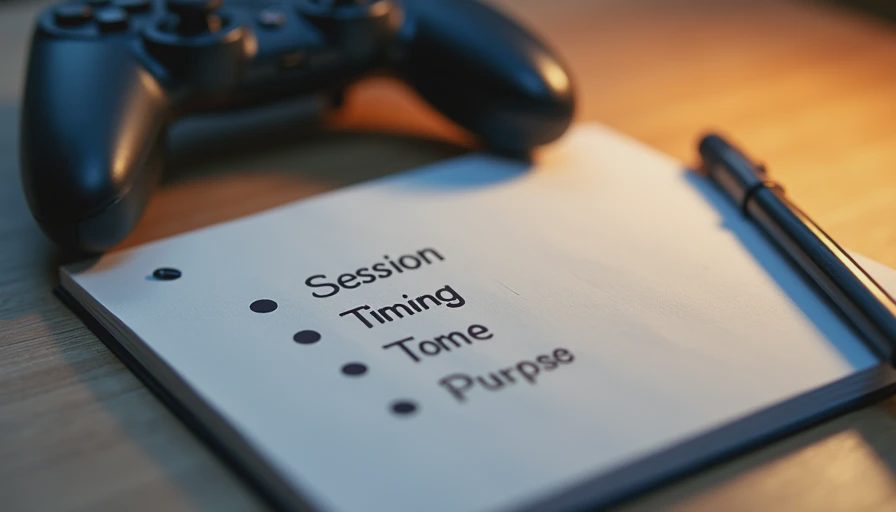
I run every game through three simple filters before it gets real time.
First: Does this game fit the sessions I actually have? If it needs long, unbroken stretches to feel good, it goes to the back of the line. I have learned the hard way that promising myself “I’ll find a longer block later” usually means the game never gets started.
Second: Is there a clear reason to play this now rather than later? Sometimes the reason is social—friends are playing and the shared conversation matters. Sometimes it is personal—the tone or premise matches what I need right now. If I cannot name a reason, the game can wait. Waiting is underrated.
Third: What am I hoping this game gives me? This is the question I write down before I buy and again before I start. Escape? Challenge? A world to wander? A story that stays with me? If I cannot answer in one plain sentence, I am usually buying the idea of the game rather than the experience itself.
These filters are not rigid. They are just clear enough to keep me honest.
How the System Works in Practice
When a new game launches or when I feel the pull to start something from the backlog, I do a short check.
I look at the session fit. I ask whether this is the right moment. I remind myself what I actually want from it. Then I either start it or I put it back without drama. The second option has become more common, and that is fine. Not every game needs to be played the month I buy it. Some never need to be played at all.
I also keep a very short active list—usually two or three games at most. One main game I am making progress in, and maybe one lighter option for nights when my brain is already tired. Everything else waits. The active list is allowed to change, but it is not allowed to grow without something else leaving.
This approach has side benefits. I finish more of what I start. I feel less background guilt. And when I do play, I am more present because the game has already cleared a higher bar.
What I Tell Myself About the Games I Skip
Skipping a game does not mean it is bad. It means it did not win the limited slots I have. That distinction matters. I can respect a game’s quality and still decide it is not the right use of my time right now. Those two ideas can live next to each other without conflict.
I used to feel like I was failing the hobby when I did not keep up. Now I treat the hobby as something that has to fit inside a life, not the other way around. The backlog is allowed to be large. My attention is not.
A Quiet Change in How I Buy
The same filters have started to affect purchasing. I still get interested in new releases. I still watch trailers. But I buy less on impulse and more on clear fit. If a game looks excellent yet clearly designed for longer, more consistent sessions than I can offer, I wait for a deeper sale or I pass. The money matters. The hours matter more.
None of this has made me enjoy games less. It has made the ones I do play feel more deliberate. When a game clears the filters and still earns the time I give it, the experience lands harder. That is the trade I am willing to make.
Why I Am Writing This Down
I am not offering a universal system. I am describing the one that works for a logistics manager in the suburbs who has kids, a job, and a finite number of evenings. If your life has more open hours, your filters will look different. If your life has even fewer, they may be stricter.
The point is simply to stop pretending that time is endless and that every interesting game deserves a turn. Some do. Many do not. Learning to tell the difference has been one of the more useful gaming skills I have picked up as an adult.
If you have a backlog that feels heavier than it should, try running a few titles through a similar set of questions. You may find that the relief of a shorter active list is worth more than the comfort of owning everything that caught your eye.
The weekends are still limited. The goal is to spend them on games that actually earn the slot.





No comments yet — grab the first one.