The newest pc games arrive with glossy trailers, countdown timers, and a $60 or $70 price tag that assumes you have an empty weekend. Most working adults do not. Between a job, family responsibilities, and the existing backlog staring from Steam, a new release has to offer more than technical novelty. It has to earn your limited evening hours.
That does not mean avoiding every launch. Some new games deliver a focused eight-hour campaign, a satisfying co-op loop, or a world worth returning to after the dishes are done. Others become expensive homework. Here is how I sort the newest pc games by value, time commitment, performance, and the kind of player they actually suit.
Start with the real cost of a new release
The store price is only the first part of the decision. A $70 action game that gives you a sharp 12-hour campaign can be a better purchase than a $30 live-service title that quietly demands three nights a week. Fun is not the same thing as value, and a long checklist is not automatically a generous game.
Before buying, ask what you want from the newest pc games. Are you looking for a story you can finish? A competitive hobby? A co-op game for two friends? A relaxing strategy system that rewards short sessions? Each answer changes the recommendation. A player with six free hours on Saturday can approach a sprawling RPG differently from someone who gets 45 minutes after the children are asleep.
Also include the cost of upgrades. A new SSD can run roughly $50 to $100, while a graphics card capable of handling demanding releases comfortably can cost several hundred dollars. If a game requires constant troubleshooting, its practical price is higher than the number on the store page. Steam refunds, typically available when playtime and purchase timing meet the platform's limits, can reduce some risk, but they are not a substitute for reading system requirements and recent user feedback.
Performance matters more than launch screenshots
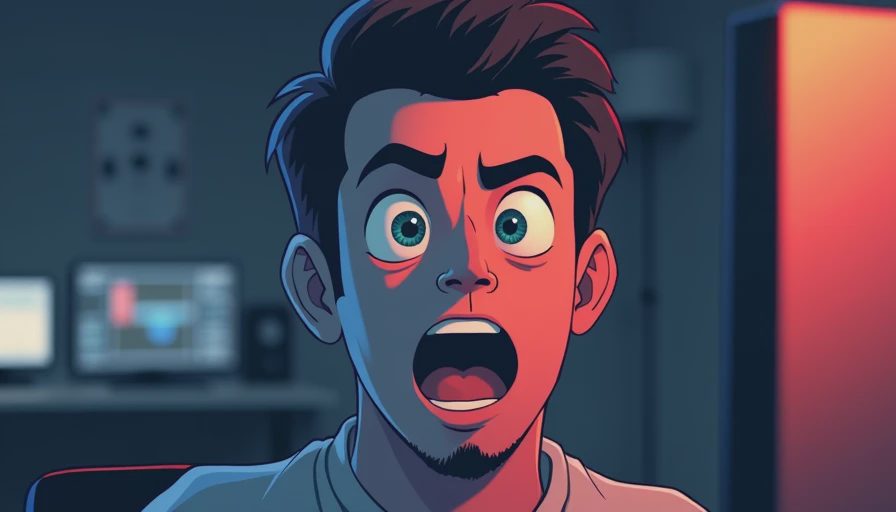
The newest pc games often look excellent in promotional footage because those clips show controlled scenes. Your experience happens in crowded cities, during heavy combat, and while shaders compile in the background. Check recent Steam reviews for reports about stuttering, crashes, controller support, ultrawide monitors, and strange mouse behavior. Those details affect a Tuesday night far more than a cinematic trailer does.
Look at the recommended specifications, not just the minimum. Minimum usually means the game can start under limited settings; it does not promise a stable 60 frames per second. If your computer uses an older RTX 2060, RX 6600, or similar card, expect to adjust shadows, volumetric effects, and ray tracing before raising your resolution. Upscaling tools such as DLSS, FSR, or XeSS can help, but image quality differs from game to game.
A sensible purchase plan is to wait one or two weeks when performance is a major concern. That gives patches time to address obvious launch problems and gives ordinary players time to post useful benchmarks. There is no prize for being the first person to discover that a game runs poorly on your hardware.
Find out whether the game fits your schedule
A busy player needs a game with a manageable restart cost. Turn-based tactics, mission-based shooters, and chapter-based adventures are usually easier to fit into a fragmented week than an open-world RPG that expects you to remember a dozen factions after a ten-day break. The newest pc games are easier to judge when you separate total length from session design.
A 40-hour campaign is not necessarily a problem if missions save cleanly and progress is easy to understand. A 15-hour game can be a poor fit if every session begins with a long commute, repeated tutorial prompts, and mandatory online matchmaking. Read how long the opening takes before the main loop becomes enjoyable. If the answer is six slow hours, that is meaningful information for an adult with limited time.
Consider difficulty and accessibility, too. Adjustable combat settings, subtitles, remappable controls, pause functionality, and generous save systems are not decorative extras. They determine whether you can play comfortably after a long workday. A game that respects interruption often creates more real enjoyment than a technically larger game that punishes it.
Price, subscriptions, and the waiting game
The newest pc games do not all need to be bought at launch. Full price makes sense when you already know the series, want to play alongside friends, or care about avoiding spoilers. Waiting is smarter when the game is primarily single-player, has uncertain performance, or resembles several titles already in your backlog.
Watch for the difference between a discount and a better deal. A $70 launch purchase followed by a $45 sale two months later can sting, especially if you have played only three hours. Game Pass can be useful for sampling certain PC releases, while Steam sales, publisher bundles, and legitimate storefront discounts can lower the cost of older titles. Subscription access is not ownership, though, and a rotating catalog can remove a game before you finish it.
For online games, calculate the likely monthly cost in time rather than dollars. A battle pass might be optional financially but still create pressure to log in. If the reward track turns leisure into a deadline, the low entry price is not the whole story. A good game should earn your weekend, not invoice your calendar.
A practical test for the newest pc games
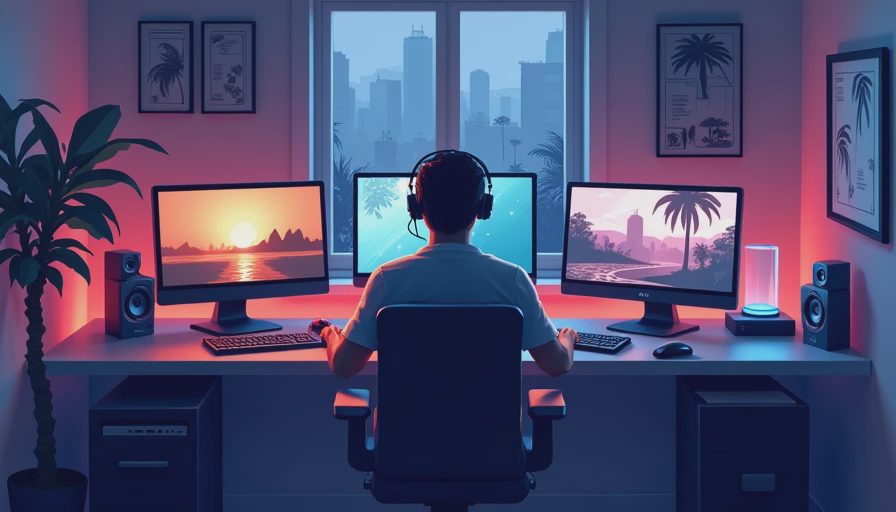
When I compare the newest pc games, I use a short test before opening my wallet. First, I identify the core activity: shooting, building, solving, exploring, managing, or competing. Then I ask whether that activity sounds enjoyable after the novelty wears off. A trailer can sell a setting; the repeated action determines the purchase.
Next, I check the first-week conversation from several sources rather than trusting one dramatic review. Steam user feedback helps reveal hardware problems and missing features. Long-form reviewers such as Skill Up or ACG can provide useful context about pacing and combat, although no reviewer has your exact schedule. Developer patch notes show whether a studio is addressing problems clearly.
Finally, I picture a normal week. If I can play three short sessions, will the game remember where I was? If friends cancel, does the single-player content remain worthwhile? If I stop for a month, can I return without watching an hour of tutorials? Those answers separate a durable purchase from a brief burst of launch excitement.
Who should buy now, and who should wait?
Buy now when the game matches your preferred genre, runs well on your machine, and offers a clear reason to play this month. That reason could be a planned co-op night, a story you genuinely want to avoid having spoiled, or a rare design that fits your tastes unusually well. In those cases, waiting for a deeper discount may save money but cost the social moment or personal enthusiasm that made the game appealing.
Wait when the newest pc games are competing with unfinished titles you already own. Wait when reviews repeatedly mention crashes, repetitive endgame tasks, aggressive monetization, or a campaign padded with map icons. Also wait when you are buying because every gaming site is discussing the release rather than because you want to play it. Attention is not evidence of quality.
The best choice is often a smaller commitment: wishlist the title, watch a few unedited gameplay clips, and revisit the decision after the first patch. Not bad is not the same thing as worth buying. Your money and free time deserve a higher standard.
The newest pc games will keep arriving faster than any normal person can finish them. That is good news, provided you stop treating every launch as an obligation. Choose the release that fits your hardware, schedule, and actual reason for playing. A good game should earn your weekend.


No comments yet — grab the first one.