Finding top rated games is easy. Finding one that fits your schedule, budget, and patience is harder. A game can collect glowing reviews and still be a poor choice for someone who has forty-five minutes after work, two kids asking for snacks, and a backlog already large enough to qualify as furniture. I look at games through a simple question: what does this purchase give back before it starts asking for another weekend?
A high score is a useful starting point, not a command to buy. The best choice depends on how you play, what hardware you own, and whether you want a focused story, a long role-playing adventure, or something you can enjoy in short sessions. Fun is not the same thing as value, and a ninety-hour game is not automatically a better deal than a twelve-hour one.
What makes top rated games worth buying?
The strongest games usually do several things well at once. They have a clear identity, reliable controls, memorable moments, and enough variety to prevent every hour from feeling like the previous one. They also respect the player’s time. A campaign that lets you pause, save frequently, and complete meaningful objectives in thirty minutes is often more useful to an adult player than a sprawling world filled with errands.
I also look for friction. Does the game bury its best ideas under slow menus, repeated tutorials, or mandatory online systems? Do optional tasks add something, or are they just map icons wearing a different hat? Top rated games can still have weak openings, uneven difficulty, or too much filler, so the review score should never replace practical details about how the game actually feels on a Tuesday night.
Price matters just as much. A $70 release can be reasonable if you know you will play it for months, especially when there is a strong cooperative or replayable component. A $30 game can be wasteful if its first few hours are dull and you stop before the interesting parts arrive. Before buying, write down what you want from the purchase: a story to finish, a hobby to revisit, or a relaxed way to switch off your brain.
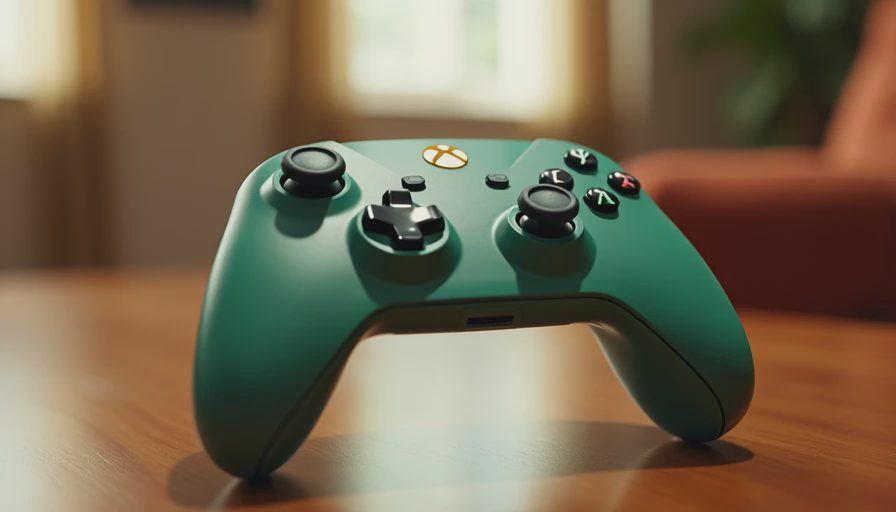
Match the game to your available time
The most useful top rated games are not always the most ambitious ones. If your normal session lasts thirty to sixty minutes, look for games built around chapters, missions, matches, or clearly separated encounters. A title such as Hades can offer a satisfying run in a short window, while a large open-world game might require more setup before anything meaningful happens. Both can be excellent, but they serve different evenings.
For inconsistent schedules, strong autosave systems and flexible difficulty are practical features rather than small conveniences. Games such as Stardew Valley, Balatro, Slay the Spire, and Mario Kart 8 Deluxe are easy to return to after several days away. You do not need to remember a complicated political plot or reconstruct a combat build from notes taped beside the television.
Longer games can still earn your time if they provide natural stopping points. The Legend of Zelda: Tears of the Kingdom, Persona 5 Royal, and Baldur’s Gate 3 reward extended attention, but they also let you create personal milestones. Finish a dungeon, complete a quest chain, or reach a town, then walk away. That structure makes a large commitment feel manageable instead of like a second job with better music.
Platform, edition, and subscription decisions
Top rated games often appear on several platforms, but the best version depends on your setup. A gaming PC may offer adjustable graphics and frequent sales, while a PlayStation 5 or Xbox Series X offers a simpler living-room experience. The Nintendo Switch favors portability and family access, although visual compromises are common in demanding releases. Check performance impressions, storage requirements, and whether cross-save support matters before choosing a platform.
The edition also deserves attention. Deluxe packages frequently include cosmetic items, early access, or downloadable content that adds little to the first playthrough. A standard edition at $60 or $70 is often the sensible purchase. Subscription services can be excellent for sampling games, but access depends on the catalog and your membership. If you already know you will spend forty hours with one title, buying it during a sale can be cheaper than keeping a subscription solely for that game.
Used copies, digital sales, and complete editions change the calculation. Waiting three to six months can reduce a launch price by $10 to $30, depending on the platform and publisher. Waiting longer can bring a season pass or expansion into the same price range. The question is not whether a discount feels good; it is whether waiting costs you anything meaningful, such as missing a group of friends who are playing now.
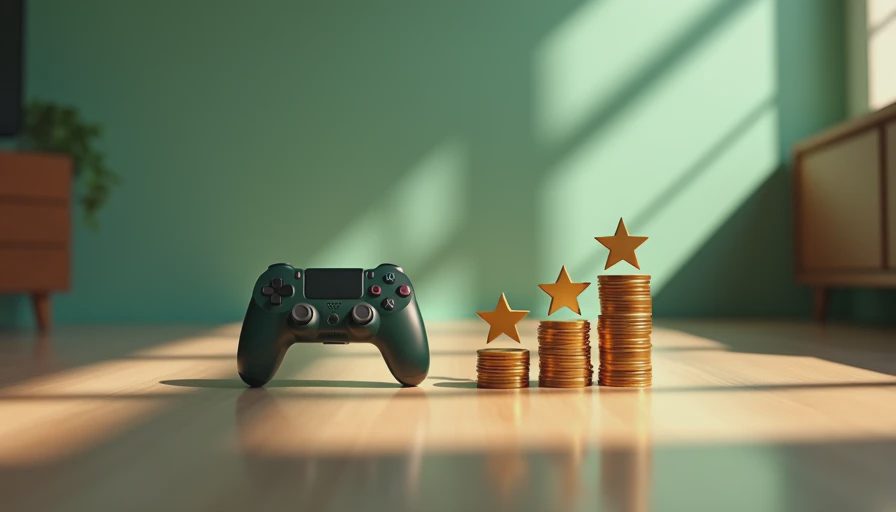
A simple way to evaluate a game before buying
Start with the first-week experience rather than the marketing promise. Read or watch reviews that explain the opening hours, combat loop, progression, and technical condition. You want to know whether the game improves after its introduction, not merely whether it has an impressive trailer. Top rated games still deserve this check because prestige can hide a poor fit for your habits.
Next, estimate your realistic playtime. If you can play four hours per week, a twenty-hour campaign could take more than a month. That is perfectly fine if the journey stays focused. If you prefer quick wins, a live-service game may seem convenient, but recurring seasons, daily tasks, and battle passes can turn leisure into an obligation. A good game should earn your weekend, not invoice every spare evening.
Finally, compare the asking price with your likely usage. Paying $70 for a game you finish and remember can be better value than paying $15 for three games you never launch. Look at accessibility options, local multiplayer, difficulty settings, and save flexibility. These details determine whether a game remains enjoyable when you are tired, interrupted, or playing with someone who has less experience.
Questions busy players should ask
Before purchasing, ask five direct questions. How long is the main path? Can I stop after a short session? Does the game improve quickly, or require ten hours of patience? Is the online community important to the experience? What happens if I wait for a sale? These questions filter out impulse purchases without eliminating excitement.
Top rated games become more valuable when they match a specific plan. Choose an adventure game for a vacation week, a compact roguelike for scattered evenings, or a family-friendly title for weekends with children. Keep the receipt window in mind when possible, and avoid buying several major releases at once. A crowded backlog creates pressure, which is a strange way to enjoy a hobby.
My buying rule is simple: if I cannot explain when I will play a game and why it fits that time, I wait. The next discount is usually easier to find than the next free weekend. Browse carefully, compare versions, and choose the title that gives your available hours somewhere worthwhile to go.



No comments yet — grab the first one.